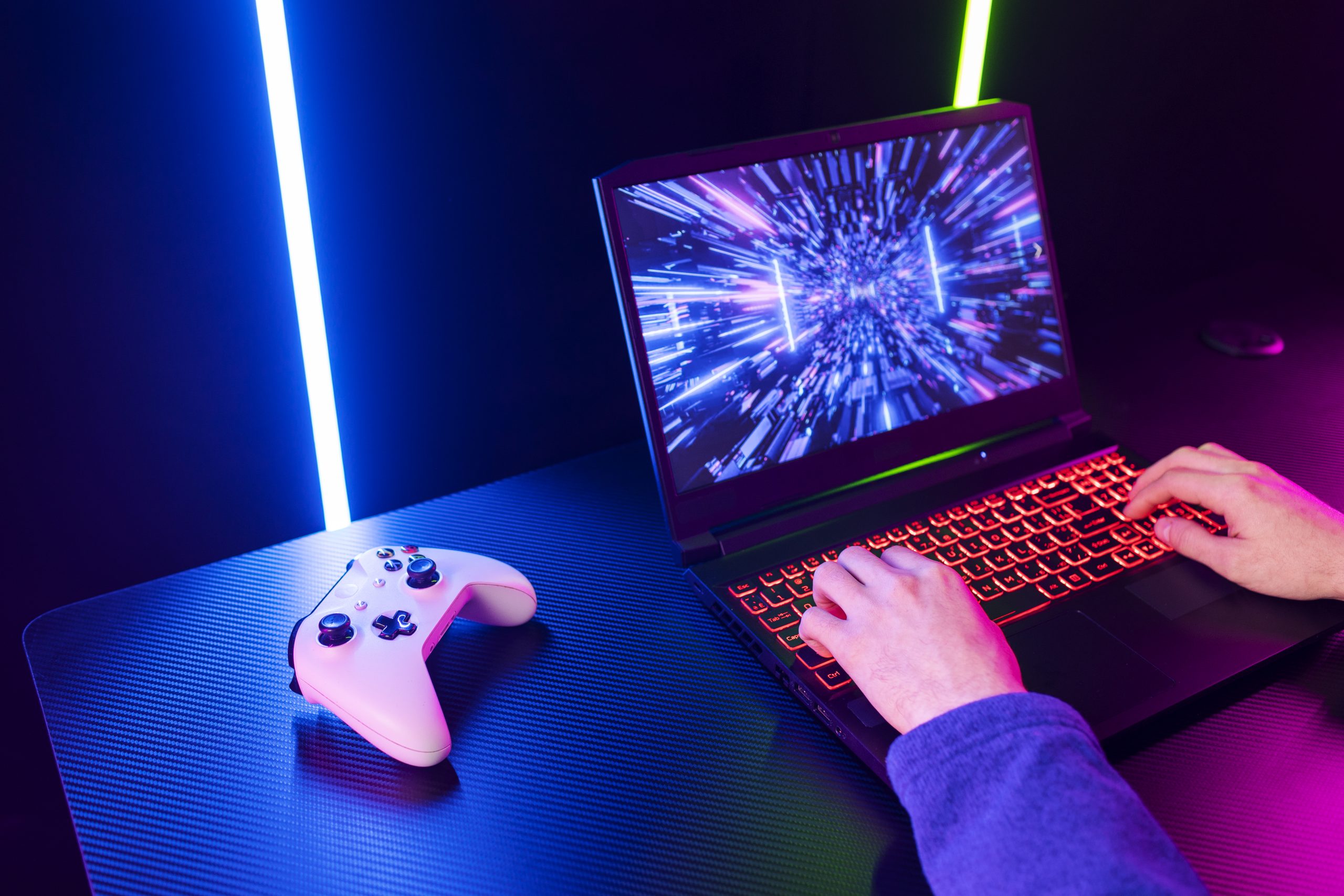
Choosing the perfect gaming laptop in 2026 can be tricky. Dozens of models look similar, yet small hardware choices change real-world performance a lot. This guide cuts the noise so you can pick a machine that fits your games, workflow, and budget. For extra context on next-gen gear and release calendars, browse https://www.prosoundnewseurope.com once you’re done here.
Power, design, and value are the three pillars that define a great choice. While RGB and ultra-thin frames grab attention, sustained performance and upgradability decide how long a laptop stays fast. The Ultimate Guide to Gaming Laptops below shows what matters most and how to shop with confidence.
What Defines a Great Gaming Laptop in 2026
Laptops now push desktop-class frame rates while staying portable. Look for a balanced trio: fast CPU, strong GPU, and cooling that keeps clocks high under load. AI-assisted upscaling and frame generation help, but raw power still matters. Aim for modern multi-core chips, current-gen GPUs with hardware ray tracing, at least 16–32GB RAM, and PCIe 4.0/5.0 SSDs so worlds load instantly.
Display and Build Essentials
Screens shape how your games feel. High refresh (165–240Hz) smooths motion; QHD or 4K sharpens textures; OLED or Mini-LED boosts contrast. If you play shooters, prioritize refresh and response time over 4K. Creators may prefer color-accurate panels. Durable chassis materials (aluminum/magnesium), a rigid hinge, and a responsive keyboard with per-key lighting add comfort and longevity.
Thermals, Noise, and Battery
Thin systems look great but need smart airflow. Vapor chambers, liquid-metal paste, and larger intakes help sustain turbo clocks and reduce fan whine. Expect 5–8 hours of mixed use on efficient machines and far less while gaming. A 230W+ adapter or USB-C PD support is useful on the go; some models allow hybrid switching between integrated and discrete graphics to save power.
Feature Checklist Before You Buy
- CPU: Recent Intel Core Ultra or AMD Ryzen 9 HX for top frames; mid-tier chips still crush 1080p esports.
- GPU: NVIDIA RTX 50-series or AMD RX 8000-series mobile for ray tracing and frame generation; match the GPU to your display resolution.
- Memory & Storage: 32GB RAM if you stream or mod heavily; dual M.2 slots extend life.
- Ports: At least one USB-C with DisplayPort, HDMI 2.1, and 2.5GbE or Wi-Fi 7 for low-latency play.
- Upgradability: User-replaceable RAM/SSD keeps a laptop relevant longer.
Best Gaming Laptop Picks by Use Case (2026)
| Segment | CPU (typical) | GPU (typical) | Display | Who it suits |
| Esports-first | High-clock 6–8 core | Upper-mid mobile | 15–16″ QHD 240Hz | FPS/MOBA players chasing max FPS |
| Creator- gamer | 12–16 core | High-end mobile | 16″ QHD+/4K 120–240Hz | Gamers who edit/stream |
| Power user | Flagship HX | Flagship mobile | 17–18″ QHD 240Hz | Desktop-level performance seekers |
Tuning Tips for More FPS
Update GPU drivers monthly, set Windows power mode to Performance, and enable your laptop’s “GPU only” or MUX mode before starting demanding games. Cap background apps, use an elevated rear stand for airflow, and undervolt (if supported) to trim temps without losing frames. Calibrate your panel once for accurate colors and consistent brightness.
Buying Strategy and Timing
Prices swing with seasonal promos. Decide non-negotiables—screen size, GPU tier, RAM—and watch for bundles that include extended warranty or game codes. Read thermals-under-load tests, not just synthetic scores, and prefer models with proven cooling and user-serviceable parts.
Frequently Asked Questions
16GB or 32GB RAM?
16GB is fine for esports and lighter AAA titles; 32GB gives headroom for streaming, mods, and future patches.
QHD 240Hz or 4K 120Hz?
QHD 240Hz feels snappier for competitive play; 4K suits cinematic single-player and creators.
Do I need the top GPU?
Match the GPU to your target resolution and settings. Overspending on a flagship for a 1080p panel rarely pays off.
Conclusion
The Ultimate Guide to Gaming Laptops boils down to smart balancing: pair the right CPU/GPU with a fast, accurate display and reliable cooling. Lock in enough RAM and storage for tomorrow’s games, favor upgrade-friendly designs, and verify thermals before you buy. Use the checklist above, compare two or three candidates, and pick the one that meets your target FPS at your chosen resolution—then enjoy the win.