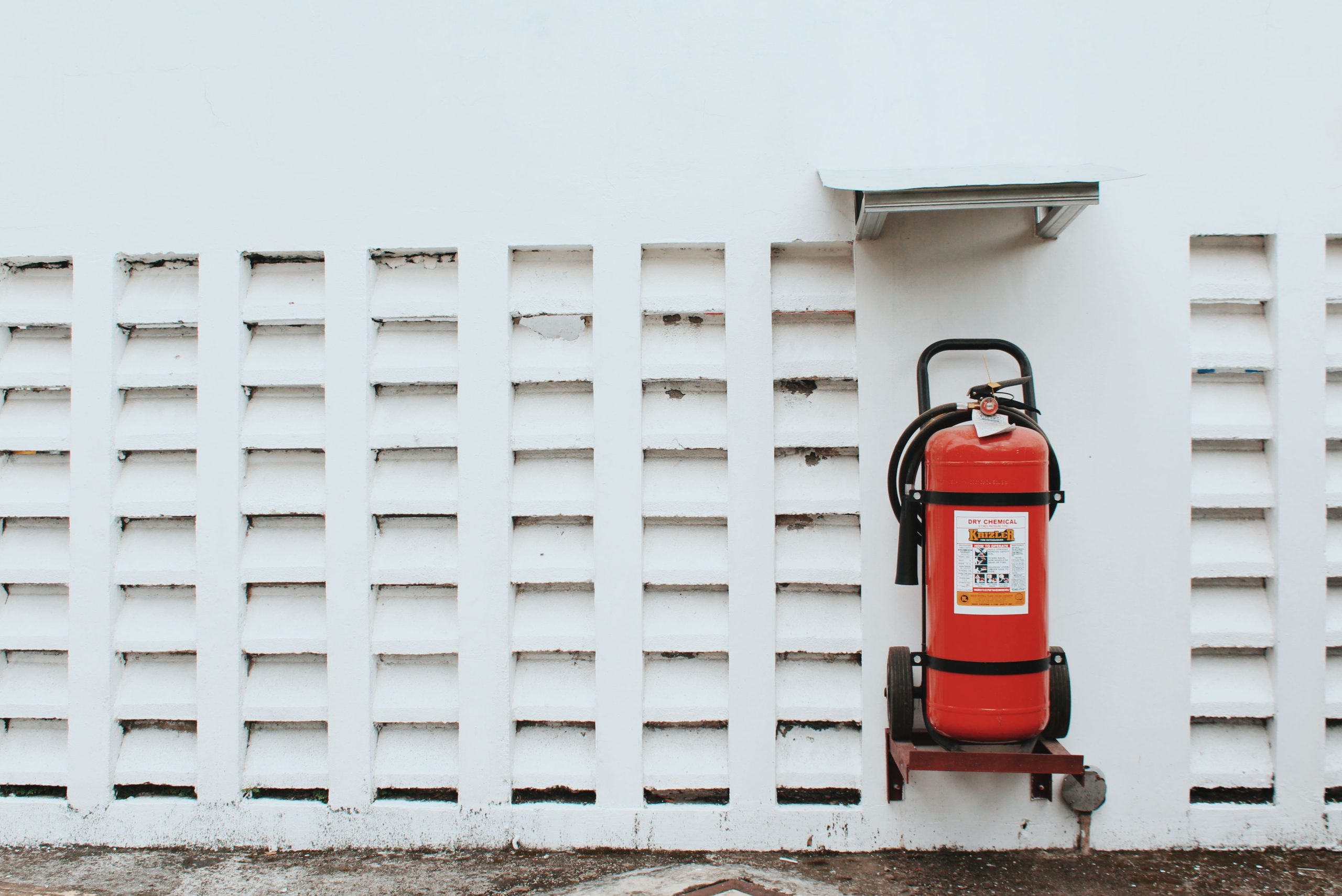
A building under construction is at its most exposed between the time the frame goes up and the day its sprinklers and alarms are signed off. There’s lumber and packaging everywhere, welders and roofers working with open flame, temporary heaters running, and nothing in the walls yet to put a fire out. NFPA 241 covers fire safety during construction, alteration and demolition, and an nfpa 241 fire watch is one of the main ways a site stays covered while hot work is going on or required protection isn’t in service yet.
Why Construction Sites Catch Fire So Easily
Unfinished buildings break most of the rules that keep finished ones safe. Floors are open, so there’s little to slow a fire down. Stairwells may not have doors yet. Combustible materials get stacked wherever there’s room. Temporary electrical runs snake across floors, fuel for equipment is kept on site, and on a cold morning several heaters might be going at once.
Then there’s the timing. For a big part of every day, and all weekend, the site is empty. A fire that starts after the last crew leaves can grow for a long time before anyone driving past notices.
When Does the Standard Call for a Watch?
Mostly in two situations. The first is hot work: welding, cutting, brazing, torch-applied roofing and anything else that throws sparks or heat. A watch is usually required during the work and for a period afterwards, often 30 to 60 minutes depending on the standard and the permit, because materials can smolder for a while before they flare up.
The second is when required fire protection isn’t working. That could be a sprinkler system that hasn’t been commissioned in a part of the building already in use, a standpipe that’s out of service, or an alarm that’s offline. Where the International Fire Code is adopted, Chapter 33 covers similar ground, and the local fire marshal can order a watch whenever they think one is needed.
Enforcement varies a lot between jurisdictions, so it’s worth checking with the local fire authority early rather than finding out at an inspection.
The Hours After the Crew Leaves
A lot of the value of an nfpa 241 fire watch sits in the quiet hours. During the day, dozens of people on site would notice smoke. At 2 a.m. there’s nobody, unless someone has been put there.
That’s when a guard walking regular rounds matters most. Smoldering material from an afternoon’s welding, a heater left too close to stored insulation, a fault in temporary wiring: these can turn into a fire overnight, and they’re far easier to deal with when someone spots them early.
What a Guard Actually Checks
A construction fire watch involves more than walking around. On each round, a guard typically looks over areas where hot work happened that day, checks that extinguishers are in place and haven’t been used, and makes sure exits and stairways are clear. They keep an eye on temporary heaters, fuel storage, battery charging spots and temporary wiring. They also confirm that standpipes and any working parts of the fire system haven’t been damaged or tampered with.
Every round gets logged with the time and anything found. When the fire marshal, the general contractor or the insurer asks whether the site was covered, those logs are the answer.
Until the Systems Take Over
The need for a construction fire watch shrinks as the building gets closer to finished. Once sprinklers are live, alarms are monitored and the marshal has signed off, the building can protect itself. Until then, the protection on site is whatever people provide, and planning for that from the first hot work permit is far easier than scrambling after a correction notice.